The 3 Stages of the Strategic Performance Management Process
April 2, 2024 by Stacey Barr | Leave a Comment
The Piece Missing From Every Strategy Framework
February 6, 2024 by Stacey Barr | Leave a Comment
If you're not happy with the KPIs in your OKRs or Balanced Scorecard or other strategic plan, then you need to add in this one piece... (more…)
Make Measurement Meaningful
January 2, 2024 by Stacey Barr | Leave a Comment
This excerpt of the full white paper explains the missing piece to measure performance meaningfully. (more…)
Decision Tree: Do We Need a KPI?
December 5, 2023 by Stacey Barr | Leave a Comment
How to decide if you need to measure a specific result or goal now, maybe later, or not at all. (more…)
Improving Strategy With A Better Measurement Approach
June 6, 2023 by Stacey Barr | Leave a Comment
The Balanced Scorecard Doesn’t Properly Cascade and Align KPIs
November 15, 2022 by Stacey Barr | Leave a Comment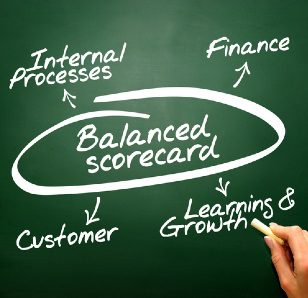
Balanced Scorecard Strategy Maps are popular, but they are not the best way to properly cascade and align KPIs throughout an organisation. (more&hell...
How Do KPIs Integrate with EFQM, Baldrige and ABEF?
May 31, 2022 by Stacey Barr | Leave a Comment
Business excellence models like EFQM, Baldrige and ABEF put priority on proper performance measurement. But how exactly do KPIs integrate with them? (more…)
Filed Under: Performance Leadership, Performance Measure Frameworks
The Balanced Scorecard Perspectives Are Too Limiting Now
April 19, 2022 by Stacey Barr | Leave a Comment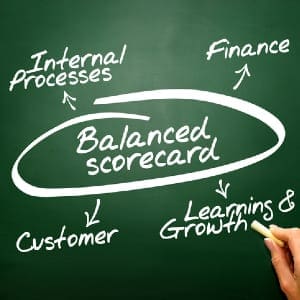
In the early 1990s, the Balanced Scorecard revolutionised how organisations thought about strategy. But its four perspectives are now too limiting for the era of ESG. (mo...
How to Know if Your Performance Measurement Approach is Working
October 19, 2021 by Stacey Barr | Leave a Comment
Here are six indicators you can track, easily, to know how well your approach to performance measurement is working at generating the right KPIs. (more&hel...
How to Audit Performance Measurement in Government
September 21, 2021 by Stacey Barr | Leave a Comment
Despite the existence of government performance measurement audit processes, performance measurement in government isn't improving. This is why… (more…)
Filed Under: Performance Leadership, Performance Measure Frameworks
Join Measure Up
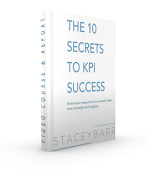
Sign up for the Measure Up newsletter and get free access to the "10 Secrets to KPI Success" online course and e-book.
Upcoming KPI Training
>> North America, Online Interactive, 3-7 June 2024
>> UK & Europe, Online Interactive, 10-14 June 2024
>> Australia/NZ/Asia Pacific, Online Interactive, 12-13 & 17-18 June 2024
>> USA, Washington DC, 25-27 June 2024
>> Africa, Dubai UAE, 13-15 August 2024